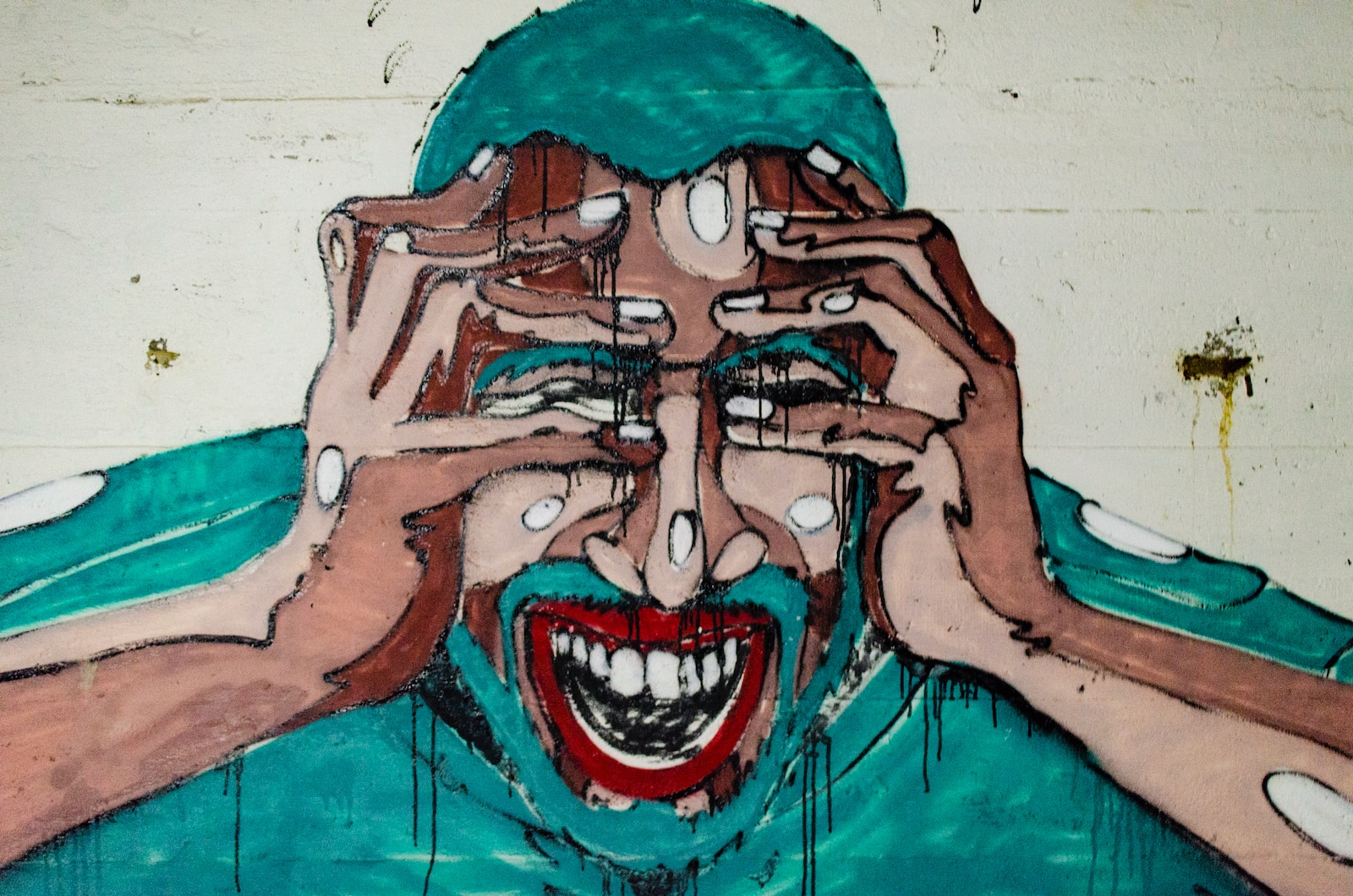
How To Deal With Stress & Anxiety – The Ultimate Guide
Table of Contents
show
Summary
Help With Stress: Stress and anxiety are common experiences that everyone goes through at various points in their lives. It’s essential to manage them effectively to maintain a balanced life and overall well-being. In this ultimate guide, we will explore the tools and strategies needed to help you deal with stress and anxiety.
Understanding Stress & Anxiety
Definition of stress
- Symptoms of stress: Physical (e.g., headaches, fatigue), emotional (e.g., irritability, mood swings), cognitive (e.g., difficulty concentrating, forgetfulness)
- Causes of stress: Work-related issues, relationship problems, financial concerns
Definition of anxiety
- Symptoms of anxiety: Excessive worry, restlessness, difficulty sleeping
- Causes of anxiety: Genetics, brain chemistry imbalances, environmental factors
Common misconceptions about stress and anxiety
- Stress is always bad for you: While chronic stress can be harmful, short-term stress can motivate us and improve performance.
- Anxiety disorders are rare: According to the National Institute of Mental Health, approximately 19% of U.S. adults experience an anxiety disorder each year.
- Only adults experience stress and anxiety: Children and adolescents also face these challenges due to school pressures or family issues.
The Science behind Stress & Anxiety
- The physiological response to stress (fight or flight response): This automatic reaction helps us respond quickly during threatening situations.
- The role of cortisol in managing stress levels: Known as the “stress hormone,” cortisol regulates many bodily functions during times of increased tension.
- Functions of the amygdala, hippocampus, and hypothalamus in regulating emotions: These brain regions play critical roles in our emotional responses (source).
Identifying your personal triggers & warning signs
- Tracking your experiences using a journal or app: Monitoring your thoughts, feelings, and behaviors can help you identify patterns and potential triggers.
- Recognizing patterns in your behavior when under pressure: Notice how you usually react to stressors (e.g., overeating, snapping at loved ones).
- Considering external factors that can contribute to increased tension (e.g., lack of sleep, poor diet).
Physical ways to alleviate stress and anxiety
- Regular exercise: Engaging in physical activity has numerous mental health benefits, including reducing stress and anxiety.
- Suitable workout styles for different preferences: Yoga, running, swimming, weightlifting
- Healthy diet: Eating well-balanced meals can help stabilize mood and energy levels.
- Foods that can help reduce symptoms: Leafy greens, nuts, whole grains
- Importance of hydration: Drinking enough water is crucial for overall well-being (source).
- Practicing relaxation techniques:
- Deep-breathing exercises: Try the 4-7-8 technique (instructions here)
- Progressive muscle relaxation: This involves tensing and relaxing different muscle groups systematically (guide here).
Psychological strategies for coping with stress & anxiety
- Cognitive-behavioral therapy (CBT): This evidence-based approach involves identifying and changing negative thought patterns that contribute to stress and anxiety.
- Online CBT resources for self-guided practice
- Mindfulness meditation: Practicing mindfulness can help you become more aware of your thoughts and emotions, making it easier to manage stress and anxiety.
- Simple practices: Body scan meditation (instructions here), loving-kindness meditation (guide here)
- Positive thinking and affirmations:
- The power of positivity: Positive thinking has been shown to improve mental health outcomes (source).
- Creating and using personal affirmations: Develop positive statements that resonate with you, such as “I am capable,” or “I choose happiness.”
Social support & communication
- The importance of a strong support network: Maintaining close relationships with friends, family members, or colleagues can provide emotional support during difficult times.
- How to communicate your feelings effectively with others: Practice open and honest communication, using “I” statements (e.g., “I feel overwhelmed when…”) to express your emotions without blaming others.
- Setting boundaries for yourself: Learn to say no and establish limits on how much time and energy you invest in various aspects of your life.
Time management and organizational skills
- The connection between stress and poor time management: Disorganization can lead to increased stress levels as tasks pile up or deadlines approach.
- Tips for improving time management skills:
- Prioritizing tasks: Focus on completing the most important or urgent tasks first.
- Setting realistic goals and deadlines: Break down larger projects into smaller, manageable steps with achievable timelines.
- Using organizational tools to reduce stress and anxiety: Implement calendars, planners, or digital apps like Trello for task management.
The role of sleep in managing stress and anxiety
- How poor sleep can contribute to increased stress levels: Insufficient rest may exacerbate feelings of tension or worry.
- Sleep hygiene practices for better rest:
- Establishing a consistent sleep schedule: Go to bed and wake up at the same time every day, even on weekends.
- Creating a relaxing bedtime routine: Engage in calming activities (e.g., reading, taking a warm bath) before going to sleep.
- Optimizing the sleeping environment: Ensure your bedroom is cool, dark, quiet, and free from electronic devices that emit blue light.
Hobbies & activities to alleviate stress & anxiety
- The importance of leisure time for mental well-being: Engaging in enjoyable pastimes can help distract you from daily worries while providing a sense of accomplishment or relaxation.
- Examples of hobbies that can help reduce symptoms:
- Creative pursuits: Painting, writing, playing a musical instrument
- Outdoor activities: Gardening, hiking, cycling
- Social or group activities: Joining clubs, participating in sports teams
Setting realistic expectations & practicing self-compassion
- Understanding the limits of what you can control: Focus on managing your reactions to external events rather than trying to change the events themselves.
- Accepting imperfections and setbacks as part of life: Embrace the idea that nobody is perfect and that occasional failures are opportunities for growth.
- Practicing self-compassion through mindfulness exercises: Treat yourself with kindness and understanding during difficult times. Here are some guided meditations for self-compassion.
Professional Help With Stress & resources
- When to seek professional help for stress and anxiety: If your symptoms persist despite your efforts or significantly impact your daily functioning, consider consulting a mental health professional.
- Types of mental health professionals: Psychologists, psychiatrists, counselors, social workers
- Online resources and helplines:
Conclusion
In this ultimate guide to dealing with stress and anxiety, we’ve explored various strategies to manage these common challenges effectively. By practicing self-care, seeking help when needed, and prioritizing mental well-being, you’ll be better equipped to lead a balanced and legendary life.
Please follow and like us:


