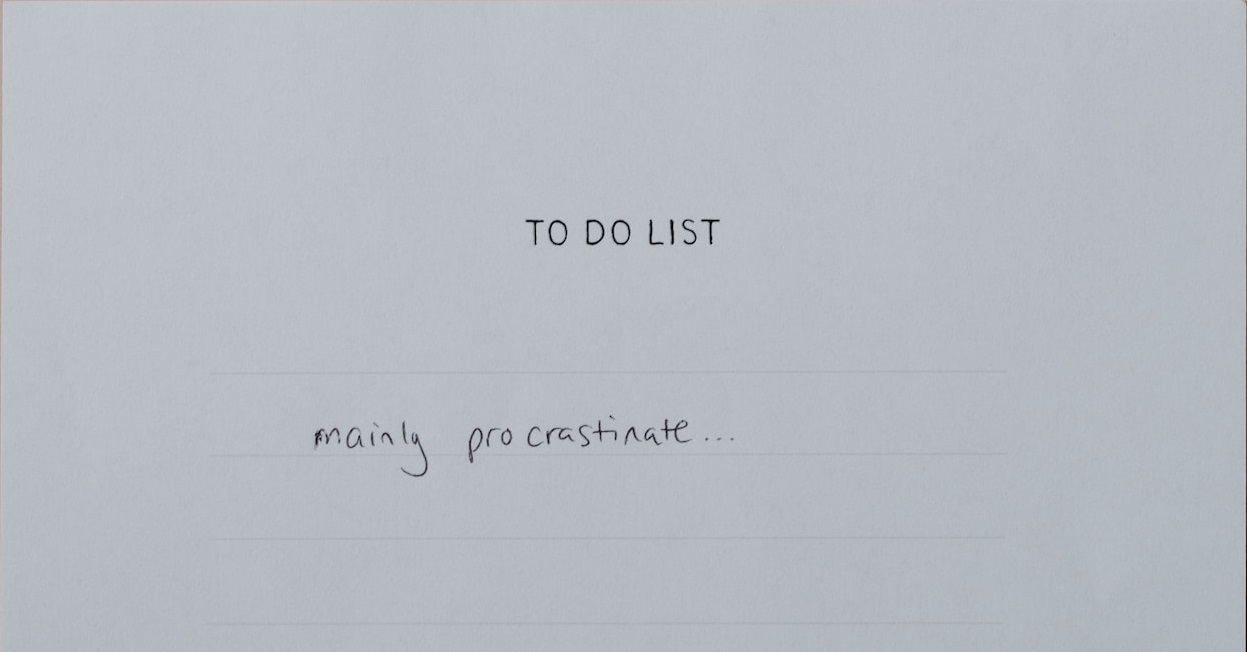
Overcoming Procrastination: Techniques and Strategies for a More Productive Life
Summary
Overcoming Procrastination: Procrastination is the act of delaying or postponing tasks, often resulting in negative consequences such as increased stress, poor performance, and missed opportunities. Overcoming procrastination is vital for personal success and achieving a legendary life.
- We will explore the science behind procrastination and some common reasons why people procrastinate.
- To beat procrastination, we will suggest time management strategies, goal setting, breaking tasks into smaller steps, and setting deadlines with accountability measures.
- We will also highlight the importance of mindset, neuroscience-based techniques for peak performance, developing healthy habits to prevent procrastination, and learning from real-life success stories.
- Additionally, we will cover the use of technology and apps to tackle procrastination, addressing underlying factors contributing to procrastination, seeking social support and accountability systems, learning from failures, and taking regular breaks to prevent burnout.
By implementing these strategies consistently throughout the post, you can work towards overcoming procrastination and living a more productive life.
Understanding Procrastination
The Science Behind Procrastination
- Decision-making process in the brain: The prefrontal cortex, responsible for decision-making and impulse control, can become overwhelmed by multiple tasks leading to procrastination [^1^].
- Role of dopamine, stress, and fear in procrastination: Dopamine-driven reward-seeking behavior may cause us to choose immediate gratification over long-term goals [^2^]. Stress and fear can also contribute to avoidance behaviors.
Common Reasons for Procrastinating
- Fear of failure or success: We may avoid tasks due to the fear of not meeting expectations or being judged.
- Perfectionism: A need for perfect outcomes may lead us to delay starting or completing tasks.
- Lack of motivation or interest in tasks: We are more likely to put off mundane or uninteresting tasks.
Proven Techniques to Beat Procrastination
Time Management Strategies
- Prioritization methods: Tools like the Eisenhower Matrix and ABC method can help organize tasks based on urgency and importance.
- Time blocking technique: Schedule specific blocks of time dedicated to individual tasks.
- Pomodoro Technique: Work in focused sessions (typically 25 minutes) followed by short breaks[^3^]. Tools like TomatoTimer can help implement this technique.
Goal Setting and Breaking Tasks into Smaller Steps
- S.M.A.R.T goals: Set Specific, Measurable, Achievable, Relevant, and Time-bound goals to provide a clear path for success.
- Use micro-goals: Break tasks into smaller, manageable steps to make them less daunting.
Setting Deadlines and Accountability Measures
- Self-imposed deadlines: Assign deadlines to tasks without externally imposed timelines.
- Accountability partners or groups: Share your goals with others to increase motivation and commitment.
The Power of Mindset in Overcoming Procrastination
Growth Mindset vs Fixed Mindset
Adopting a growth mindset[^4^], believing that abilities can be developed through dedication and hard work, can help us face challenges instead of avoiding them.
Cognitive Reframing Techniques
- Challenging negative thoughts related to tasks: Identify and replace self-defeating thoughts with more positive ones.
- Visualizing successful task completion: Imagine the feeling of accomplishment upon completing a task.
Neuroscience-based Techniques for Peak Performance
- Mindfulness meditation for focus and stress reduction: Practicing mindfulness can improve concentration and reduce anxiety[^5^]. Resources like Headspace can help you get started.
- Power naps to boost productivity: Short naps (10-20 minutes) during the day may enhance alertness and performance[^6^].
- Exercise as a tool to increase mental clarity: Regular physical activity has been shown to improve cognitive function[^7^] and reduce procrastination[^8^].
Developing Healthy Habits to Prevent Procrastination
- Establishing routines for daily tasks: Consistent routines provide structure and make it easier to tackle tasks.
- Minimizing distractions in the workspace:
- Turning off social media notifications
- Creating a designated workspace free from distractions
Real-Life Success Stories of People Who Overcame Procrastination
- J.K. Rowling: The Harry Potter author overcame her procrastination through persistence and determination.
- Tim Urban: Creator of the popular blog “Wait But Why” has shared strategies he used to overcome procrastination in his TED Talk.
Additional Strategies to Overcome Procrastination
- Reward-based motivation: Use positive reinforcement to encourage task completion, such as treating yourself to a small treat or watching an episode of your favorite show after completing a task.
- Embracing imperfection and the “done is better than perfect” mentality: Understand that progress is more important than perfection, and strive for improvement rather than an unattainable ideal.
- Assessing and improving time estimation skills: Recognize tendencies to underestimate the time required for tasks and work on improving accuracy.
Integrating Technology and Apps to Tackle Procrastination
- Time management and productivity apps: Utilize tools like Todoist, Trello, and Focus@Will to organize tasks and enhance productivity.
- Website blockers and focus-enhancing tools: Use apps like Cold Turkey, Freedom, and Forest to minimize distractions from your digital devices.
- Utilizing productivity techniques such as the Pomodoro Technique with digital timers, like the Pomodone App.
Addressing Underlying Factors Contributing to Procrastination
- Identifying personal triggers or patterns that lead to procrastination:
- Self-reflection techniques (journaling, meditation)
- Professional help from a therapist or coach when necessary
- Managing stress levels and mental health:
- Maintaining work-life balance
- Practicing self-care activities regularly
Utilizing Social Support and Accountability Systems
- Joining or creating a productivity support group:
- Online forums or local meetups for sharing experiences and tips, such as Procrastination Support Groups on Meetup.com
- Study groups or co-working sessions for focused work time
- Finding a mentor or coach to guide you through overcoming procrastination:
- Benefits of personalized guidance and accountability
- How to find the right mentor or coach
Learning from Failure and Developing Resilience Against Procrastination
- Accepting setbacks as opportunities for growth:
- Embracing a growth mindset when facing challenges
- Analyzing what went wrong and making adjustments to your approach
- Cultivating resilience against procrastination:
- Techniques for developing mental toughness (e.g., visualization, affirmations)
- Building habits that promote consistency in productivity
Taking Regular Breaks and Preventing Burnout
- The importance of rest in maintaining productivity:
- Understanding the role of relaxation in rejuvenating the brain
- Scheduling regular breaks throughout the day
- Recognizing signs of burnout and taking preventive measures:
- Managing workload effectively
- Prioritizing self-care activities (exercise, hobbies, social connections)
Conclusion: The Ongoing Journey Towards Overcoming Procrastination
In this blog post, we discussed various techniques and strategies to help overcome procrastination. We explored the science behind procrastination and some common reasons why people procrastinate. To beat procrastination, we suggested time management strategies, goal setting, breaking tasks into smaller steps, and setting deadlines with accountability measures. We also highlighted the importance of mindset, neuroscience-based techniques for peak performance, developing healthy habits to prevent procrastination, and learning from real-life success stories. Additionally, we covered the use of technology and apps to tackle procrastination, addressing underlying factors contributing to procrastination, seeking social support and accountability systems, learning from failures, and taking regular breaks to prevent burnout. By implementing these strategies consistently, you can work towards overcoming procrastination and living a more productive life.
References
[^1^]: Goldstein, E.B. (2011). Cognitive Neuroscience: Applications. In Cognitive Psychology: Connecting Mind, Research, and Everyday Experience. Belmont, CA: Wadsworth.
[^2^]: Berridge, K.C., & Robinson, T.E. (2003). Parsing reward. Trends in Neurosciences, 26(9), 507-513.
[^3^]: Cirillo, F. (2018). The Pomodoro Technique. Penguin Random House.
[^4^]: Dweck, C.S. (2006). Mindset: The New Psychology of Success. Random House.
[^5^]: Chiesa A., Serretti A.(2010) A systematic review of neurobiological and clinical features of mindfulness meditations. Psychological Medicine, 40(8), 1239–1252.
[^6^]: Mednick S.C., et al.(2002) The restorative effect of naps on perceptual deterioration. Nature Neuroscience, 5(7), 677–681.
[^7^]: Hillman, C.H., Erickson, K.I., & Kramer, A.F. (2008). Be smart, exercise your heart: Exercise effects on brain and cognition. Nature Reviews Neuroscience, 9(1), 58-65.
[^8^]: Sirois F.M., et al. (2019) Exercise and procrastination: Exploring the role of agency beliefs and autonomy focus in a matched-pairs study. Personality and Individual Differences, 142, 283-287.


