Help with Decision-Making
Summary
Help with Decision-Making: Making decisions is a part of life – whether it’s deciding on dinner plans or committing to a long-term relationship. But, sometimes decision-making can be hard and we’re not always sure what choice to make or how to go about it. If you’re struggling with decision-making and feeling overwhelmed by the choices before you, don’t worry – help is here!
In this article, we’ll discuss effective strategies for making decisions that will serve as your guide. We’ll examine the pros and cons of different approaches so that you can find the one that works best for you. We’ll also touch on why it’s important to have good decision-making skills and why taking time to reflect can be beneficial when dealing with complicated decisions. So if you’re ready for some helpful advice about how to make better decisions in life, read on!
What Is Decision Making?
Decision-making is a critical skill that plays a pivotal role in our personal and professional lives. It is the process of selecting from multiple choices based on our preferences, priorities, and values. Good decision-making involves careful planning, accurate assessment of available information, and the ability to balance short-term gains with long-term consequences.
Decisions can range from simple everyday activities such as deciding what to eat for lunch or which route to take while driving, to more complex scenarios like determining career paths or choosing business strategies. Regardless of the complexity or significance of a decision, mastering the art of effective decision-making will empower you to move forward confidently in your life pursuits.
A well-made decision can lead to successful outcomes by providing clarity and direction in times of uncertainty. On the other hand, poor decisions may result in negative consequences that reverberate throughout various aspects of one’s life. Therefore, understanding the components involved in decision-making and honing your skills in this area is crucial for both personal growth and professional success.
What Are The Different Types Of Decisions?
Decision-making can be categorized into several different types, each with its unique characteristics and implications. Understanding these various decision types can help you navigate the complexities of life by making informed choices.
-
First, there are routine decisions, which involve everyday situations that do not require extensive analysis or deliberation. Examples include choosing what to wear in the morning or deciding on your breakfast menu. These decisions are generally simple and based on personal preferences.
-
Second, strategic decisions focus on long-term goals and plans for individuals or organizations. These require critical thinking and a deep understanding of potential consequences as they often have significant impacts on future outcomes.
-
Next are tactical decisions that support strategic objectives but deal with more short-term actions. These may involve resource allocation, scheduling tasks, or setting specific targets while keeping the larger context in mind.
-
Finally, there are crisis-driven decisions that must be taken urgently to address unforeseen circumstances or emergencies. In such cases, swift action is necessary along with a careful assessment of the risks involved so as not to exacerbate the situation further.
Understanding these diverse types of decisions can guide you in developing an effective approach to decision-making tailored for each particular scenario at hand without being overwhelmed by uncertainty.
How To Make Good Decisions
The ability to make good decisions is an essential life skill that can greatly impact both your personal and professional growth. By consistently making informed choices, you set yourself up for success in various aspects of life. So, how do you ensure that the decisions you make are well-thought-out and will lead to positive outcomes? Here are a few key steps in the decision-making process:
-
First, it is crucial to identify your goals before making any significant decision. By having a clear understanding of what you want to achieve, you can better evaluate potential options and choose those that align with your objectives.
-
Next, gather as much information as possible about the situation at hand. Knowledge is power; therefore, by thoroughly analyzing all relevant data available to you, it becomes easier to assess which course of action best meets your needs.
-
Seeking advice from trusted sources such as friends or colleagues who have faced similar situations can also help with decision-making. Their input may offer valuable insight into potential pitfalls or benefits associated with certain options.
-
Evaluating the pros and cons of each choice allows for a more systematic approach when comparing alternatives. This step helps reveal potential risks or rewards related to specific decisions while enabling one to weigh options more objectively.
-
Finally, once a decision has been made after thorough consideration of all factors involved – take action! Without implementing change based on informed choices effectively renders the entire process fruitless.
Following these essential steps during any decision-making endeavor ensures not only greater confidence but also improved success rates in achieving desired results across various areas of life.
Identify Your Goals
The first step in making a well-informed decision is to identify your goals. Understanding what you want to achieve will help guide the decision-making process and ensure that the decisions you make align with your objectives.
Before diving into evaluating different options, take some time to reflect on your short-term and long-term goals. Consider how each potential choice might impact these goals, both positively and negatively. This introspective exercise will provide you with a clearer sense of direction and minimize the risk of deviating from your intended path.
Remember that effective goal-setting involves creating specific, measurable, achievable, relevant, and time-bound (SMART) objectives. By setting clear targets for yourself or your organization, you lay a solid foundation upon which well-thought-out decisions can be made.
As you progress through the various stages of decision-making outlined in this article – gathering information, seeking advice, evaluating pros and cons – always keep these SMART goals at the forefront of your mind. Doing so will help ensure that every decision made is not only reasonable but also beneficial in helping propel you toward achieving those desired outcomes.
Gather Information & Analyze The Situation
Gathering information is a critical step in the decision-making process. Before you can make an informed decision, you need to have a clear understanding of the situation and all relevant factors. This involves doing thorough research, asking questions, and seeking out reliable sources of information.
Keep in mind that not all sources are equally credible or trustworthy; it’s crucial to verify any data or insights you come across during your investigation. Where possible, consult multiple sources to ensure consistency and accuracy.
Once you’ve gathered all the necessary details about your options and their potential consequences, take some time to analyze the facts at hand carefully. Reflect on how each choice aligns with your goals and values while considering any trade-offs associated with different courses of action.
In this stage of decision-making, it may be helpful to create a pros-and-cons list or employ other analytical tools such as SWOT (Strengths-Weaknesses-Opportunities-Threats) analysis to better understand the opportunities and risks involved in each possibility available.
As you gather information and scrutinize the situation, don’t hesitate to revisit previous steps if new insights arise that could warrant further consideration or prompt additional questions concerning your choices. The goal is for this comprehensive approach towards gathering and analyzing data will ultimately guide you toward making well-informed decisions that best serve your objectives.
Seek Advice
Seeking advice from others is a crucial aspect of effective decision-making. It can provide you with diverse perspectives, alternative solutions, and potential pitfalls that you may not have considered on your own. When seeking advice, it’s important to consult with individuals who possess knowledge or experience relevant to the decision at hand.
Additionally, it can be beneficial to seek input from people with differing views, as this often leads to more robust discussions and better-informed decisions. Keep in mind that while gathering opinions is valuable, the final choice remains yours to make. You must weigh each piece of advice against your own understanding of the situation and use your judgment accordingly.
Remember that seeking guidance doesn’t make you weak or indecisive; rather, it demonstrates a willingness to learn from others’ experiences and knowledge. This openness ultimately contributes positively towards the quality of decisions made and fosters personal growth by expanding one’s thought process. So go ahead – reach out for help when faced with difficult choices – it might just be the key factor in achieving optimal results in any given situation.
Evaluate The Pros And Cons
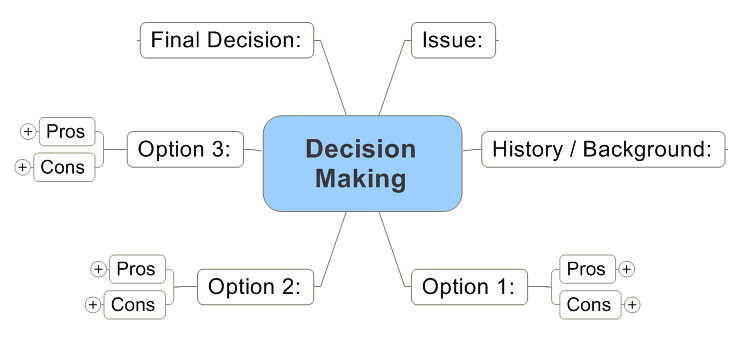
Before making any decision, it is crucial to evaluate the pros and cons of each option available. This process helps you compare the potential benefits and drawbacks of every possibility, allowing for a more informed and calculated decision.
Start by listing all your viable choices and then outline the positive aspects (pros) associated with each one of them. These could include factors such as cost-efficiency, time management, or anticipated success rate. Next, identify the potential negative consequences (cons) that might arise from those decisions; consider the risks involved, possible conflicts, or long-term effects on your goals.
During this evaluation process, remain objective and avoid letting emotions overshadow your judgment. Use critical thinking to weigh out the importance of each pro and con concerning your ultimate goal. By methodically assessing these factors in light of your objectives, you can make an educated choice based on which decision will yield the most favorable outcome overall.
In conclusion, evaluating the pros and cons aids significantly in making well-rounded decisions that align with both short-term needs and long-term aspirations. By following this step diligently in your decision-making process, you’ll build a strong foundation for success while minimizing regrets related to hasty or ill-informed choices.
Make The Decision
After carefully evaluating the pros and cons, seeking advice from others, and gathering all relevant information, it’s time to make a decision. Remember, decision-making is an essential skill that will serve you well in both your personal life and career.
Before making up your mind, pause for a moment to ensure you have considered all factors related to the choice at hand. This step should be approached with confidence; indecision can lead to negative consequences or missed opportunities.
Once you’ve made your decision, trust yourself and be ready to accept responsibility for any potential outcomes. Regardless of whether the results are positive or negative initially, remember that every choice provides valuable learning experiences that help refine your decision-making abilities over time.
By following this process of thoroughly researching options and arriving at an informed conclusion based on facts and analysis rather than impulsive emotions or other influences, you’ll better position yourself for success in future decisions.
Take Action
Once you have made your decision, it is crucial to take action promptly. Procrastination can often lead to indecisiveness and missed opportunities. When you execute a well-thought-out plan, the likelihood of achieving your desired outcome increases significantly.
Keep in mind that taking action doesn’t necessarily mean diving headfirst into implementing the chosen solution. It may involve breaking down the decision into smaller steps or tasks and tackling them one at a time. This approach helps maintain momentum while balancing other responsibilities or commitments.
Remember that every step taken towards your goal contributes to effective decision-making and allows for more informed decisions in the future as you gain experience and insight from each situation.
In conclusion, taking action after making a decision not only sets things in motion but also reinforces confidence in your ability to make sound judgments, positively impacting future decisions. So don’t hesitate – embrace the power of decisive action and see where it takes you!
Tips For Improving Decision-Making
Everyone, from the average person to top-level executives, can benefit from improving their decision-making skills. By incorporating a few essential tips into your everyday life, you can enhance your ability to make well-informed decisions that lead to better outcomes. These tips not only help with decision-making in personal and professional scenarios, but they also contribute positively to one’s overall growth and development.
-
First, it is important not to rush through the decision-making process. Taking the time necessary for thoughtful deliberation enables you to consider all options carefully and ensure that you do not overlook any critical factors or potential consequences.
-
Writing down all available choices and their respective pros and cons can further refine the process of making sound decisions. This practice makes it easier to visualize each option clearly while facilitating a more thorough analysis of various alternatives.
-
Seeking input from others is another valuable strategy when faced with difficult choices or complex situations. By consulting trusted friends, family members, or colleagues who may have different perspectives or insights into a given issue, you allow yourself access to additional information relevant to arriving at an informed conclusion.
-
Last, be open-minded about various solutions during the decision-making process. As new information becomes available or circumstances change over time, flexibility in considering alternative options helps ensure that your final choice remains aligned with both short-term objectives as well as long-term goals.
In summary, by incorporating these essential tips for improving decision-making – taking your time without rushing through conclusions, writing things down for clarity purposes’, seeking advice from others when needed, and staying flexible when considering alternatives- one can foster better judgment across different aspects of life thereby leading yourself towards success.’]
Don’t Rush
When it comes to decision-making, haste can often lead to regret. It’s crucial not to rush through the process, as allowing yourself ample time is a significant component when it comes to effective decision-making. Quick decisions may lead you down an undesired path, so take a step back and give yourself some breathing room before moving forward.
Taking a moment to pause and evaluate the situation will enable you to analyze various options with a clearer perspective. By avoiding impulsive reactions, you create opportunities for creative problem-solving and critical thinking that help facilitate better outcomes.
Remember that good decisions are not always synonymous with fast decisions. Sometimes, giving yourself adequate time can result in uncovering alternatives or solutions which were initially overlooked—providing an improved foundation for your final choice. So next time you face a difficult decision, don’t let pressure control your judgment; instead, focus on taking your time and carefully evaluate all possible options before making any commitment.
Write It Down
One powerful technique to help with decision-making is writing down your thoughts and options. When you put pen to paper, it forces you to organize your ideas and create a tangible record of the factors involved in the decision-making process.
Jotting down your options can give you a clearer perspective on what each choice entails, allowing for easy side-by-side comparisons. Additionally, documenting your thought process provides an opportunity for reflection as well as hindsight analysis once the decision has been made.
Moreover, sometimes when we write things down, new insights or ideas may suddenly emerge that were previously hidden beneath our subconscious thoughts. This newfound clarity could be the key to unlocking an effective solution or discovering a novel approach not considered before.
In short, writing it down enables us to see our decisions from different angles and subsequently make better-informed choices rooted in thorough analysis rather than impulse or instinct alone.
Seek Input From Others
Seeking input from others is a valuable strategy when faced with complex decisions. Two heads are often better than one, and incorporating different perspectives can help in identifying potential pitfalls and opportunities that you may have overlooked.
Consulting colleagues, friends, or mentors who have expertise in the area of your decision can provide additional insights that will help you make a more informed choice. Their experiences and knowledge can shed light on aspects of the situation that you might not be aware of, contributing to a holistic understanding of the issue at hand.
However, it’s essential to approach this step discerningly. Aim for balanced opinions by seeking feedback from individuals who hold diverse viewpoints but have your best interests at heart. This way, you’ll avoid getting influenced by personal biases or agendas while embracing an inclusive decision-making process.
In conclusion, seeking input from others is a crucial aspect of effective decision-making. It broadens your perspective and helps develop well-rounded solutions that account for various factors relevant to your situation. Remember to carefully select trusted sources for advice and maintain an open mind while considering their suggestions along with yours – ultimately leading towards improved outcomes in decision-making processes.
Be Open To Different Solutions
Being open to different solutions is a critical aspect of decision-making. It ensures that you explore various perspectives and consider all possible outcomes before making your choice. This openness allows you to challenge biases and assumptions, welcoming innovation and creative ideas.
One way to foster a more open mindset is by engaging in active listening when discussing the matter with others. Give equal weight to all opinions, even those that contradict your initial thoughts or beliefs. By doing so, you pave the way for fresh insights and unconventional resolutions.
Another technique to embrace alternative options is reframing the problem itself. Sometimes, by merely changing how we perceive an issue, new possibilities emerge right before our eyes.
Remember that being open does not mean accepting every potential solution blindly – it simply means giving them due consideration before proceeding with informed decisions. Doing this promotes healthier decision-making processes in both personal and professional settings while maximizing opportunities for success.
Consider The Long-Term Consequences
When evaluating possible solutions in the decision-making process, it’s crucial to consider the long-term consequences of each option. Sometimes, we may be tempted to choose a course of action that provides immediate benefits but could lead to problems down the road.
To avoid falling into this trap, take a step back and think about how your decisions today will impact your future in different aspects such as personal life, career development, or financial stability. Ask yourself if the choice aligns with your values and goals – are you making a decision that will bring you closer to where you want to be?
Additionally, assess potential risks associated with each alternative by considering what might go wrong and how it could affect you in the long run. By doing so, you’re not only safeguarding against unforeseen complications but also ensuring that your decisions create lasting positive outcomes for both yourself and the others involved.
In conclusion, taking into account the long-term consequences is an essential aspect of effective decision-making. By thoroughly analyzing and weighing these factors during the process, you can make informed choices leading to sustainable success over time.
Conclusion
In conclusion, decision-making is an essential skill that impacts every aspect of our lives. By understanding the different types of decisions and applying a structured approach to decision-making, we can make better choices and achieve our goals more effectively.
Improving your decision-making process takes practice, patience, and self-awareness. It involves refining your critical thinking skills by seeking advice from trusted sources and being open to diverse solutions. Remember the importance of considering short-term and long-term consequences in order to create a lasting positive impact.
Finally, be mindful not to rush through important decisions—take the time necessary to fully evaluate all possible outcomes before taking action. In doing so, you will find yourself consistently making smarter choices that lead you toward success in both your personal and professional life.


